What we did
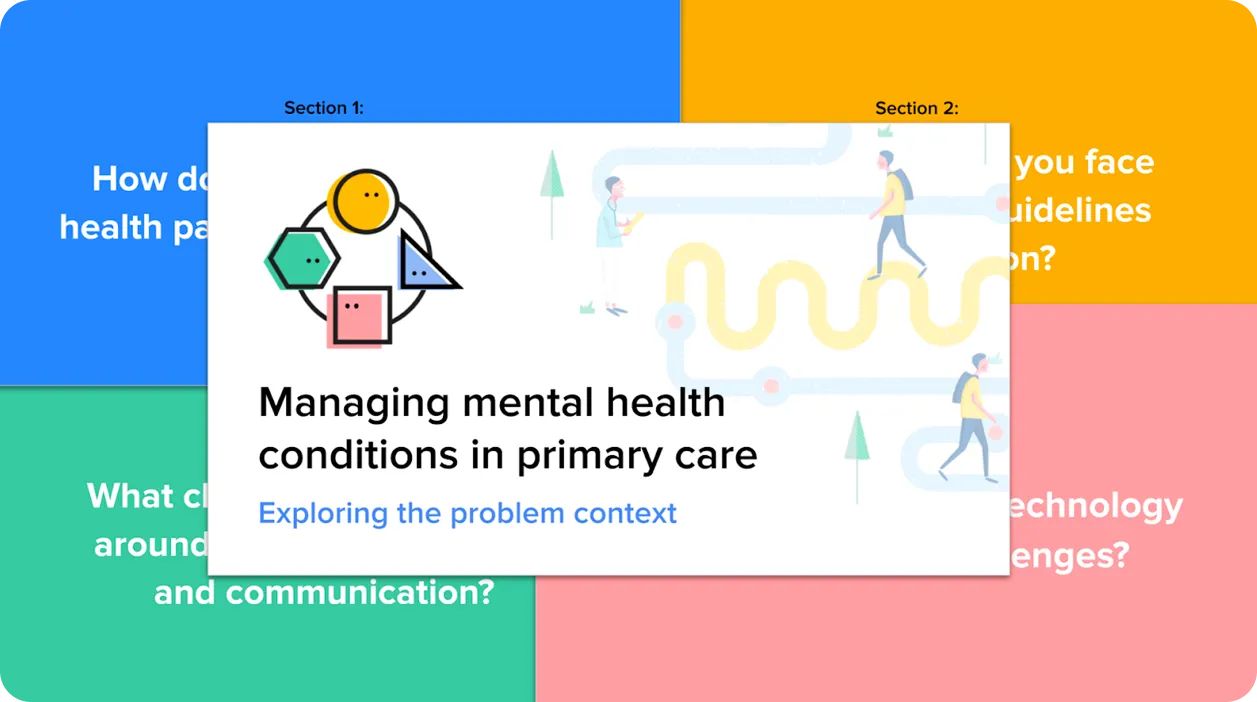
We conducted semi-structured interviews with six GPs from NHS practices across Nottinghamshire, representing a range of experience levels from newly qualified clinicians to others with more than 15–30 years of practice. These conversations focused on how GPs make decisions about mental health care, what sources of information and guidelines they rely on, and what challenges they face when supporting patients with depression, anxiety, or bipolar disorder.
What we found
GPs described a primary care environment where mental health needs are high and rising, with around 70 percent of their patients presenting with some form of mental health concern. Despite this, they have limited time and resources; with only ten minutes per appointment, they must understand the patient’s situation, consider treatment options, and make a safe plan. As a result, most GPs feel equipped to manage only relatively straightforward presentations.
More complex cases—such as patients who have not responded to standard treatments, who may be at risk, or who need specialist assessment—are typically referred to secondary care. However, secondary services are overstretched and reject a significant proportion of referrals, particularly for patients with ongoing depression or anxiety. These patients are then returned to primary care, leaving GPs responsible for conditions they feel under-resourced to manage. Many described this gap as a major contributor to delayed or suboptimal care, with some patients disengaging or deteriorating while waiting.
A consistent theme across interviews was a lack of accessible, practical information to support decision-making. GPs rely primarily on NICE and local guidelines, but many felt these resources are difficult to navigate during a time-pressured consultation. Few reported using more detailed psychiatric guidelines, often because they are not designed for the realities of general practice.
These challenges revealed a clear opportunity for tools that make high-quality guidance easier to access and apply. GPs saw value in solutions that could synthesise relevant information from both primary and secondary guidelines, support decision-making for more complex cases, and help explain treatment options in a clear, patient-friendly way. They also emphasised the potential for such tools to strengthen confidence, streamline workflow, and provide more consistent care, including in settings where specialist services are unavailable.