What we did
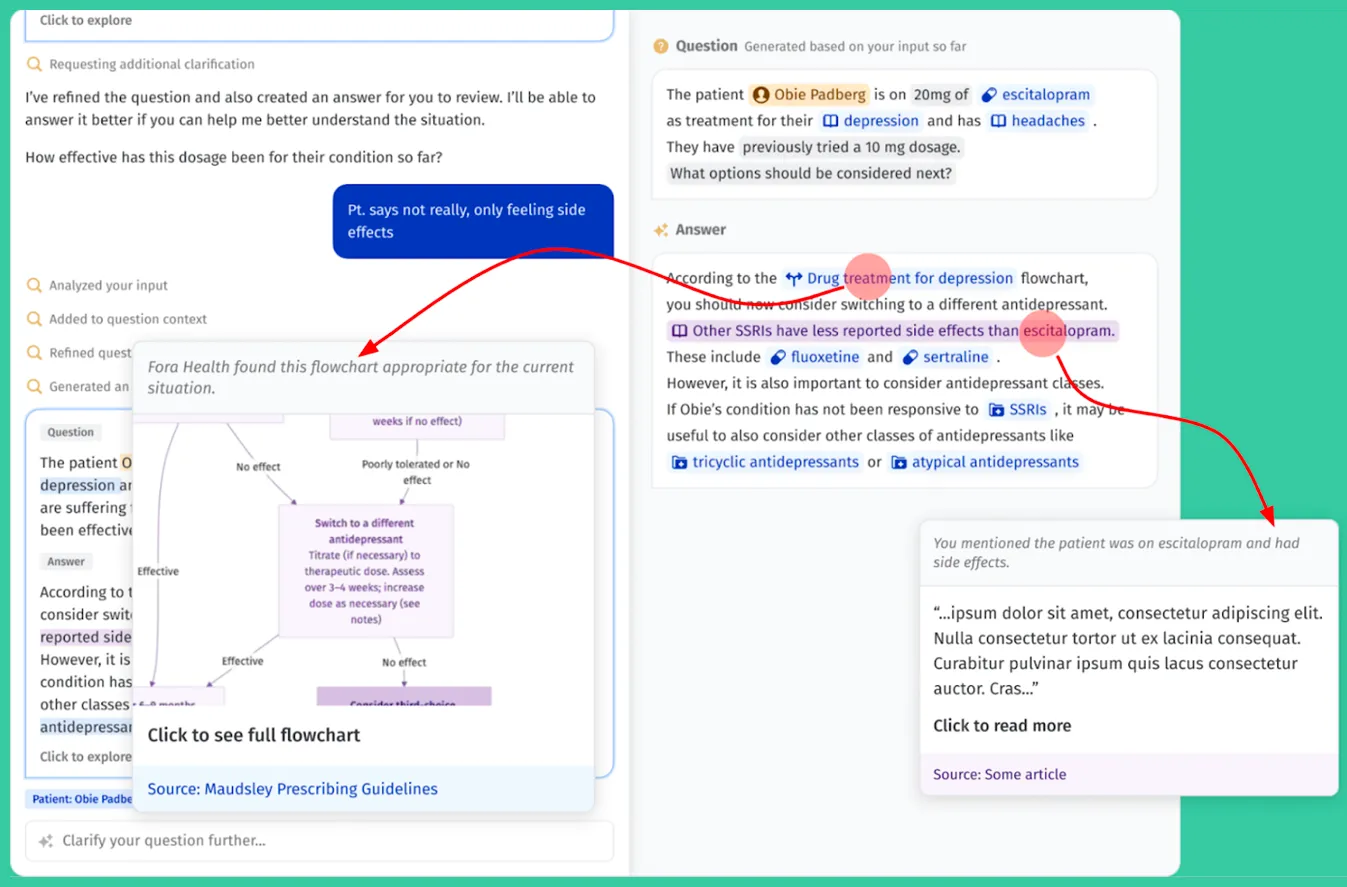
We carried out semi-structured interviews with six GPs from a range of clinical backgrounds and contexts: three early-career GPs from Nigeria, one GP from Devon with specific experience in task-shifting and digital innovation, and two experienced GPs from Nottinghamshire, one of whom leads digital integration at their practice. During the interviews, we presented a mock-up of our proposed GenAI tool and explored whether it meaningfully addresses known challenges in mental health decision-making. We also examined how well the tool might fit into real clinical workflows across different settings.
What we found
Across all contexts, GPs recognised strong potential value in a tool that improves access to clear, trustworthy information during short primary care appointments. Many felt that being able to quickly synthesise guidance tailored to an individual patient’s situation could streamline consultations, improve the consistency of mental health care, and increase confidence when making decisions. Several also noted that the ability to draw on patient information from Fora Health or electronic health records could make guideline recommendations even more relevant and specific.
However, the need for trustworthiness and reliability emerged as the most significant barrier to adoption. GPs emphasised that the tool must clearly show the sources behind its recommendations, incorporate local guidelines, and undergo rigorous testing with intended clinical users to demonstrate accuracy and safety. Without strong reassurance on these fronts, they worried that the tool could introduce risk or confusion about clinical boundaries.
The interviews also highlighted meaningful differences in how GPs across contexts perceived the tool’s value. Nigerian GPs, who often work without access to specialist mental health services, viewed the tool as a highly enabling resource. They saw it as a way to broaden their capacity to manage complex mental health conditions, offering detailed guidance on treatment steps, medication options, and clinical decision-making where referral pathways are limited. For them, the tool’s greatest benefit was expanding their self-sufficiency and improving patient care in resource-constrained settings.
UK GPs, particularly those with extensive experience, took a more cautious view. Their primary challenge is not a lack of knowledge but working within an overstretched system that places high emphasis on safety and appropriate risk management. They felt the tool had potential to support documentation of guideline-aligned care, justify referrals, and assist less experienced clinicians. However, they also felt that the current mock-up would need significantly more sophistication, clarity, and safeguards before being used in practice.
Overall, the discussions showed that while the tool has strong potential to streamline access to guidance and support better decision-making, its benefits will vary depending on the clinical setting and user needs. Ensuring safety, trust, and a good workflow fit will be essential for real-world use.